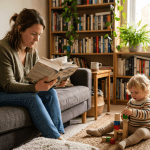


Pertaining to preventing anxiety disorders in children, awareness and early intervention are key. Your child’s mental health is just as important as their physical health, so addressing any signs of anxiety promptly is crucial. By creating a supportive environment, encouraging open communication, and teaching healthy coping mechanisms, you can help protect your child from developing lasting anxiety disorders. Recall, prevention is the best cure.
- Recognising the Signs
- Building Resilience
- Teaching Coping Mechanisms and Relaxation Techniques
- Encouraging Open Communication and Emotional Expression
- Parental Influence
- School and Social Environments
- Healthy Lifestyle Habits
- Professional Intervention
- When to Seek Professional Help and Therapy
- Collaborating with Mental Health Professionals and Teachers
- Summing up
- References and further reading
Key Takeaways:
- Early intervention: Identifying signs of anxiety in children and intervening early can prevent the development of anxiety disorders.
- Open communication: Encouraging open communication with children can help them express their feelings and fears, reducing the risk of anxiety disorders.
- Healthy coping mechanisms: Teaching children healthy coping mechanisms such as deep breathing, mindfulness, and positive thinking can help prevent anxiety disorders.
Recognising the Signs
Common Anxiety Triggers in Children
For children, common anxiety triggers can include new situations, separation from loved ones, academic pressures, and social interactions. These triggers can manifest as fear, worry, and avoidance behaviours.
Identifying Anxiety Symptoms in Different Age Groups
Anxiety symptoms in various age groups can vary. You may notice younger children displaying symptoms such as stomach aches, bedwetting, or clinginess. Adolescents might exhibit irritability, fatigue, or difficulty concentrating.
The key is to recognise these signs early on and seek professional help if needed. Understanding how anxiety manifests in different age groups ensures that appropriate support can be provided to help children effectively.
Building Resilience
Teaching Coping Mechanisms and Relaxation Techniques
It is vital to teach your children coping mechanisms and relaxation techniques to help them navigate through stressful situations. By teaching them deep breathing exercises, mindfulness techniques, or engaging in hobbies they enjoy, you can empower them to manage their emotions effectively.
Encouraging Open Communication and Emotional Expression
Expression of feelings is crucial for your child’s mental well-being. Encourage open communication and assure them that it’s okay to feel and express their emotions. By creating a supportive environment where they can freely share their thoughts and feelings, you can help them build resilience and cope with challenges better.
Emotional expression not only helps children release pent-up feelings but also strengthens their emotional intelligence. By validating their emotions and teaching them healthy ways to express how they feel, you are equipping them with valuable life skills that can protect them from developing anxiety disorders in the future.
Parental Influence
Modeling Healthy Behaviors and Attitudes
Once again, as a parent, you play a crucial role in shaping your child’s mental health. With your actions and words, you serve as a role model for how your child perceives and deals with stress and anxiety. By demonstrating healthy coping mechanisms and a positive attitude towards challenges, you can help your child learn effective strategies to manage their own anxiety.
Avoiding Overprotection and Fostering Independence
To promote resilience and self-confidence in your child, it is necessary to strike a balance between providing support and allowing them to face challenges independently. This means resisting the temptation to shield your child from all difficulties and instead, encouraging them to overcome obstacles on their own. By fostering independence, you help your child develop valuable skills and confidence in their abilities.
School and Social Environments
Creating a Supportive Classroom Environment
Keep your classroom a safe and welcoming space where children feel comfortable expressing themselves without fear of judgment or ridicule. Encourage open communication, validate their emotions, and provide opportunities for them to build confidence.
Encouraging Social Skills and Friendship Development
Environment. Encouraging Social Skills and Friendship Development is crucial for children’s mental well-being. Teach them how to communicate effectively, resolve conflicts peacefully, and establish healthy relationships. Organise group activities that promote teamwork and empathy, fostering a sense of belonging.
Creating a supportive environment where children can develop social skills and form friendships is important in preventing anxiety disorders. By providing a safe and inclusive space, promoting positive social interactions, and teaching valuable communication skills, you are empowering children to navigate social situations confidently and build meaningful connections. Bear in mind, these practices not only benefit their current well-being but also lay a strong foundation for their future mental health.
Healthy Lifestyle Habits
Promoting Regular Exercise and Physical Activity
On a daily basis, engaging in physical activity is crucial for your child’s mental well-being. Regular exercise not only improves physical health but also boosts mood and reduces stress and anxiety levels. Encourage your child to participate in fun activities such as swimming, dancing, or playing sports to keep them active and happy.
Establishing a Balanced Diet and Sleep Routine
Regularly ensuring that your child has a balanced diet and adequate sleep is vital for their overall health and emotional stability. Good nutrition and a consistent sleep routine support a healthy mind and body, reducing the risk of anxiety disorders. Make sure your child has regular meals rich in nourishing foods and establishes a bedtime routine that allows for enough restful sleep.
Professional Intervention
Many Can We Help Prevent Anxiety in Kids? by taking proactive steps to address anxiety in children. Seeking professional intervention is crucial when dealing with anxiety disorders in children.
When to Seek Professional Help and Therapy
Any signs that your child’s anxiety is significantly impacting their daily life, such as difficulties at school or with peers, may indicate the need for professional help. Early intervention can prevent long-term issues.
Collaborating with Mental Health Professionals and Teachers
Mental health professionals and teachers play a vital role in supporting children with anxiety. When collaborating with them, you can create a supportive environment that addresses your child’s emotional and mental needs effectively.
Summing up
On the whole, preventing anxiety disorders in children is crucial to their overall well-being and development. By implementing effective strategies and practices such as parent training, cognitive-behavioural interventions, and school-based programs, you can help reduce the risk of anxiety problems in children. Early detection and intervention play a vital role in addressing such issues. To probe deeper into prevention and early intervention of anxiety problems in children, you can refer to Prevention and early intervention of anxiety problems in children.
References and further reading
- Martin, A., Volkmar, F. R., & Bloch, M. (Eds.). (2017). Lewis’s Child and Adolescent Psychiatry (5th ed.). Amazon
- American Psychiatric Association. (2022). DSM-5-TR.
- Thapar, A., et al. (Eds.). (2015). Rutter’s Child and Adolescent Psychiatry (6th ed.).
- AACAP: aacap.org
- AAP: aap.org